Day Hike Gear Checklist
Most hiking advice is not written for day hikers. The popular gear lists, including the well-known “10 Essentials,” generally assume you will spend several nights outside. On a morning hike close to home, you need far less. This checklist covers what is actually worth carrying on a day hike, with a short note on why each item earns its place.
A Small First-Aid Kit
You do not need a big kit for a day hike. A small one handles the scrapes, cuts, and blisters that actually happen on the trail. Build your own with these seven things.
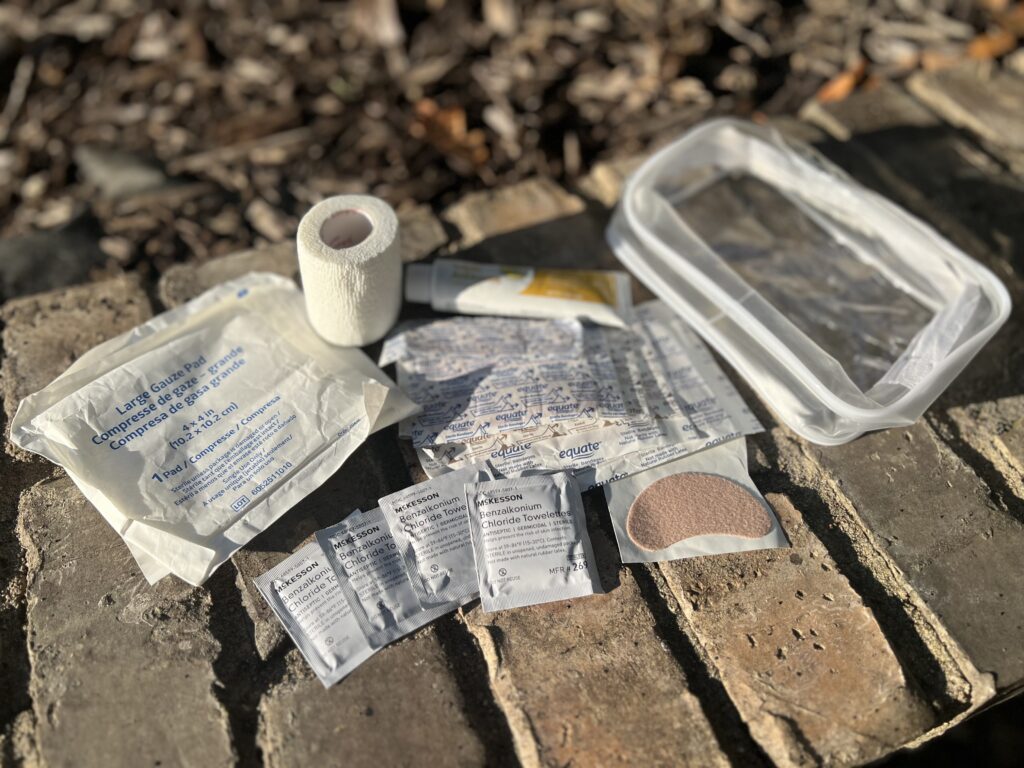
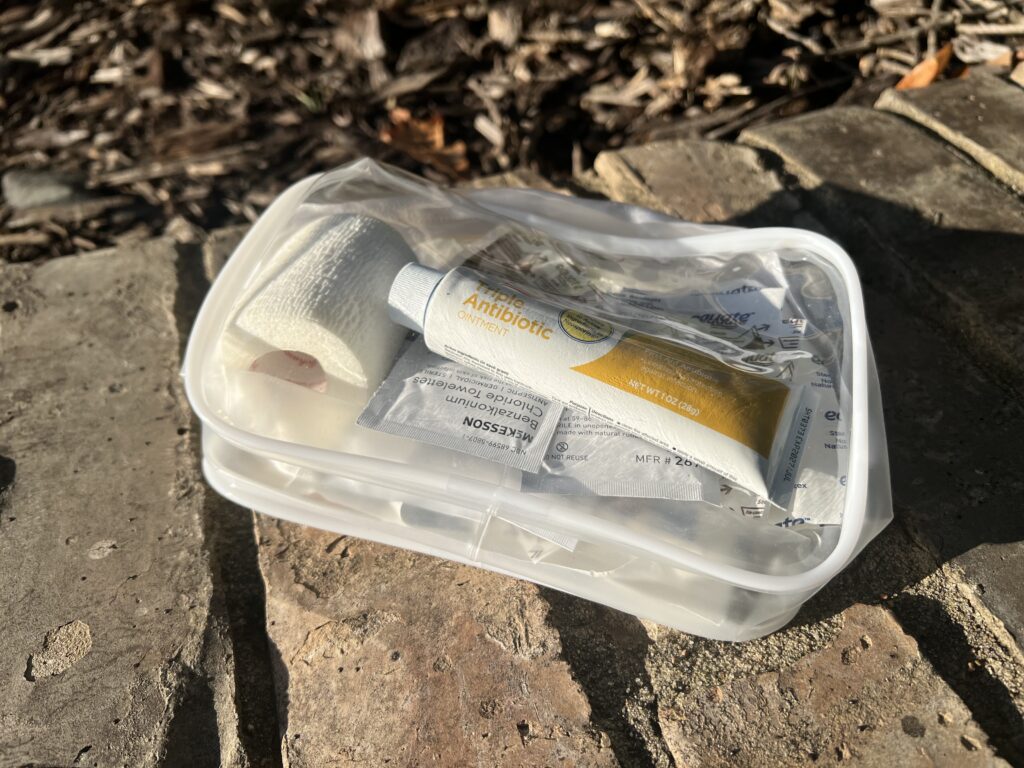
- A waterproof zipper bag. It keeps everything together and dry, even in a sweaty pack.
- Sterile gauze. Gauze covers a larger scrape or presses on a cut to slow bleeding.
- A self-adhesive bandage wrap. This stretchy wrap sticks to itself, so it holds gauze in place or supports a sore ankle without tape or clips.
- Antiseptic wipes. Use these to clean dirt out of a scrape before you cover it.
- Moleskin for blisters. Put it on the moment you feel a hot spot, before it turns into a blister.
- Antibiotic ointment. A small tube helps keep a scrape clean until you get home.
- Bandages in multiple sizes. Small cuts and larger scrapes need different sizes, so bring a few of each.
Gear for Any Season
These items are useful year-round. None of them is required, so start with what you have and add the rest as you hike more.
Water
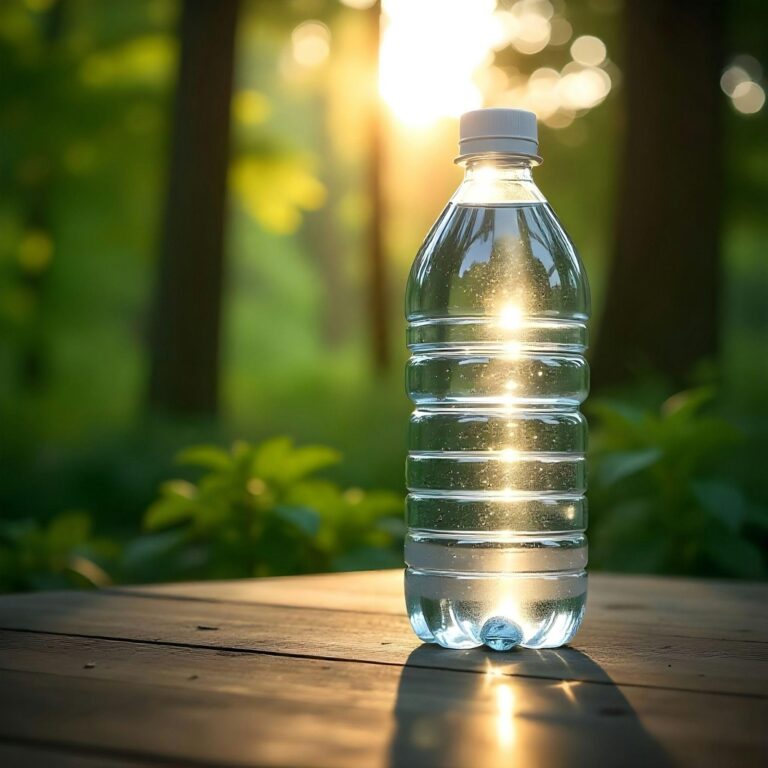
Water is the one thing you should never skip. Plan on about half a liter (16.9 ounces) for every hour you hike, and more when it’s hot. Our Water, Electrolytes, and Trail Snacks guide covers how much to bring and the best ways to carry it.
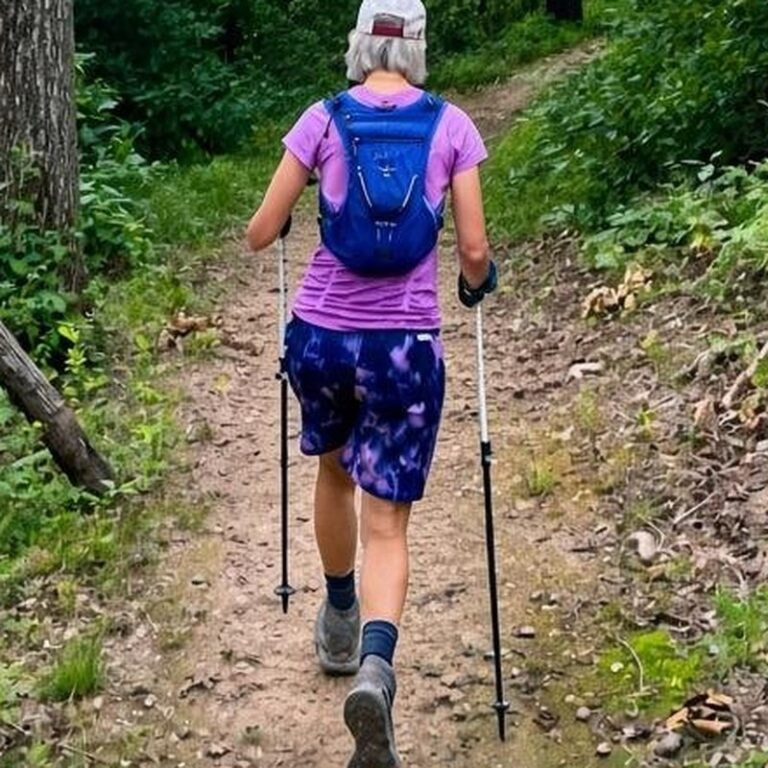
Trekking Poles
They take some of the load off your knees on descents and give you extra balance on rocks and small water crossings.
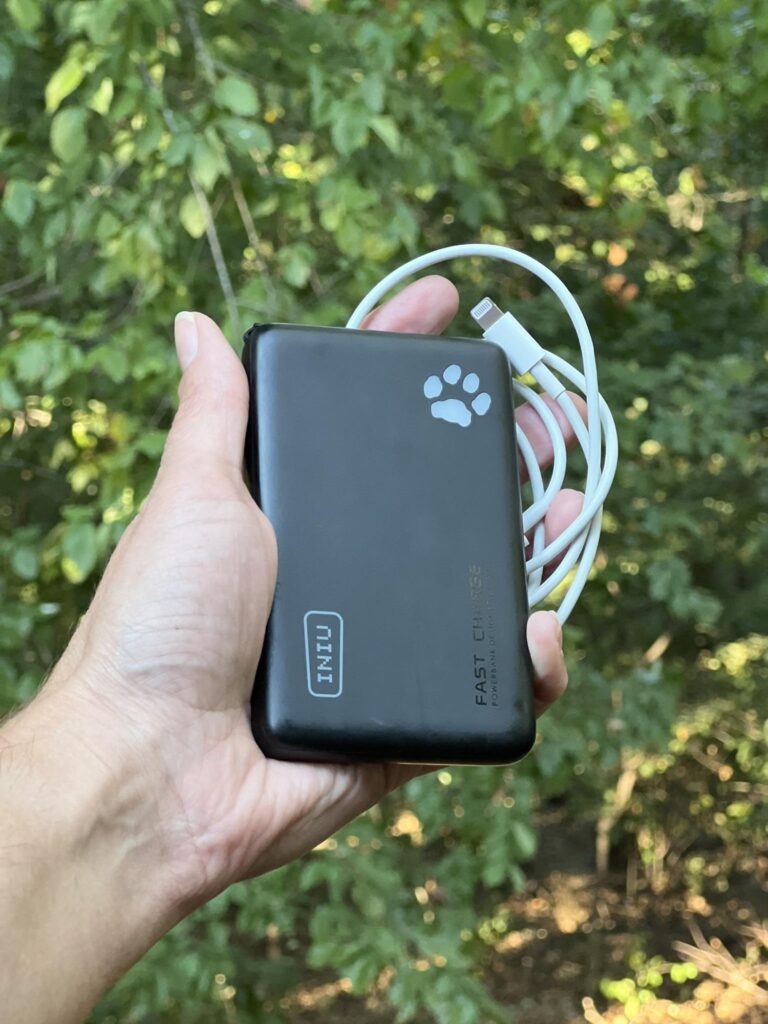
Phone Charging Brick
Your phone is your map, your camera, and your way to call for help. Navigation apps drain the battery quickly.
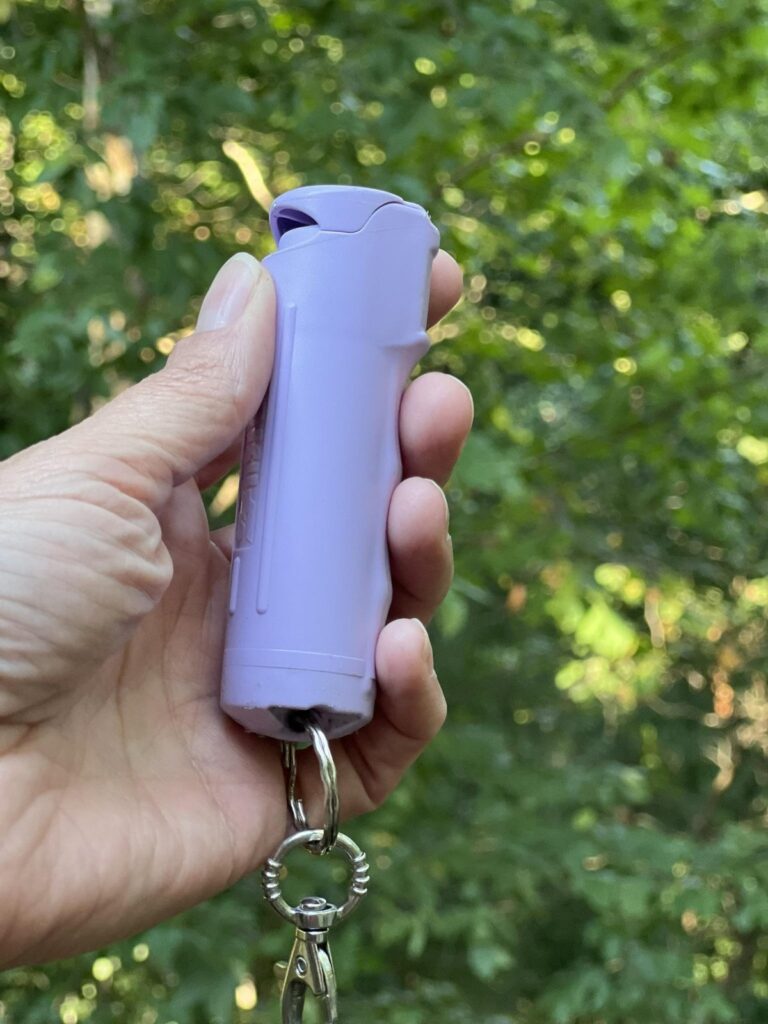
Pepper Gel
It gives you a way to deter an aggressive dog or animal. A gel is less likely than a mist to drift back at you in the wind.
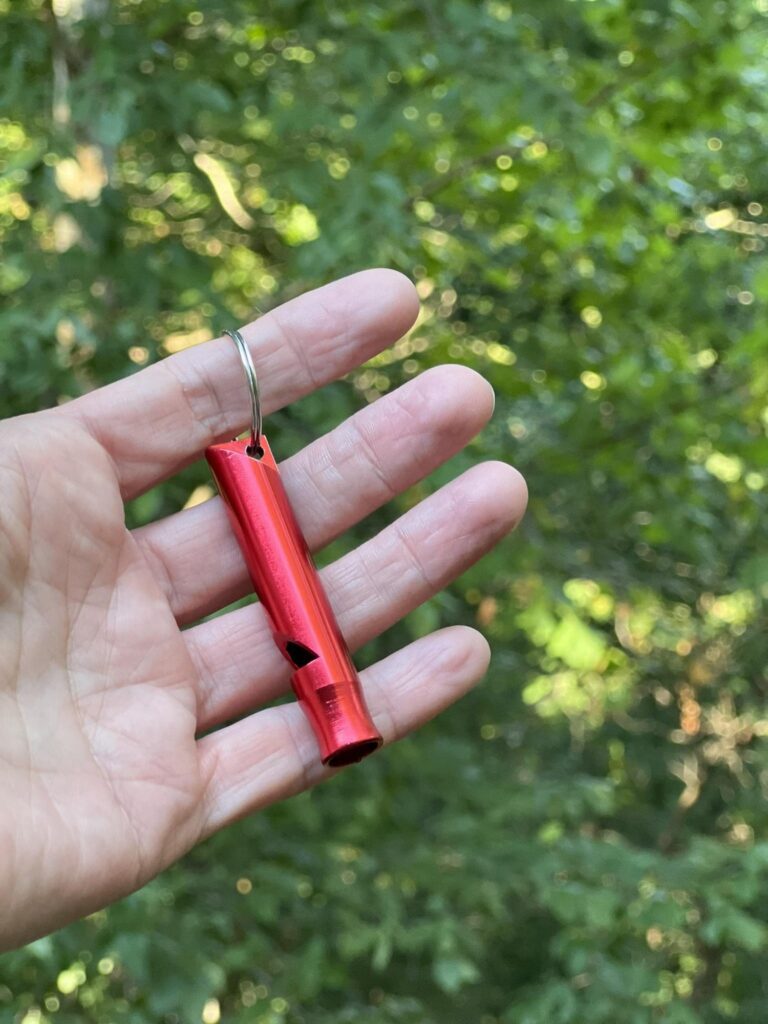
Whistle
A whistle carries much farther than your voice and takes far less energy. Three blasts is the widely recognized call for help.
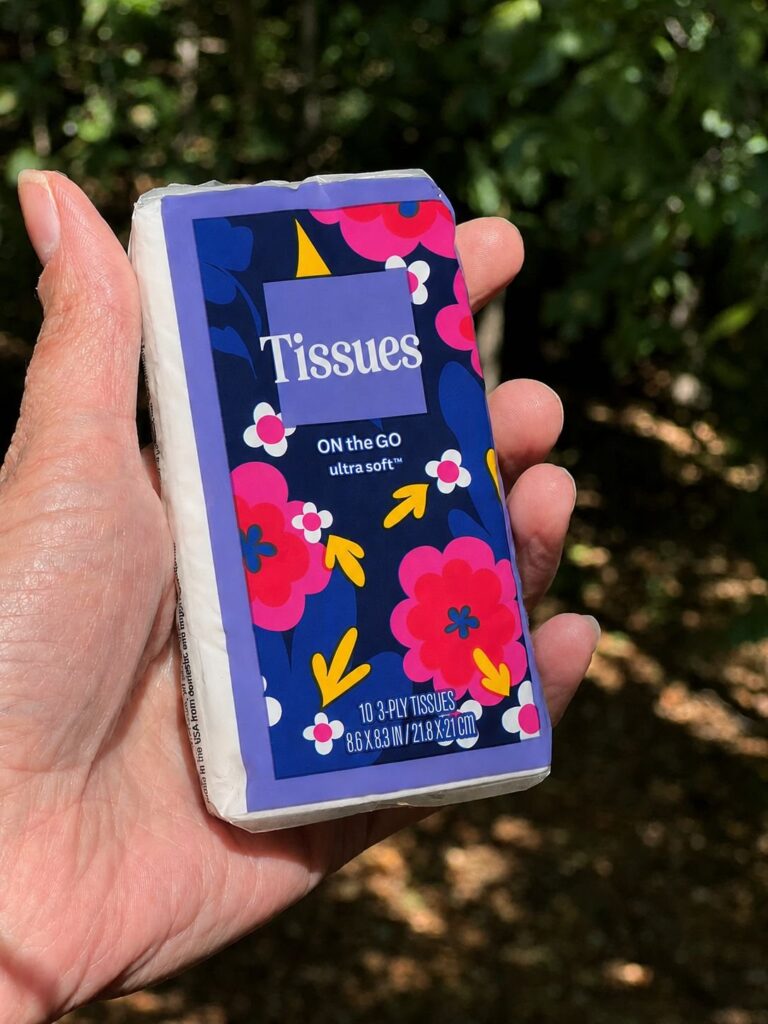
Tissues
They are handy for a runny nose on a cold morning, pollen season, or a trailhead restroom with no paper.

Phone Belt
A slim belt keeps your phone snug at your waist, so it does not bounce and stays within easy reach.
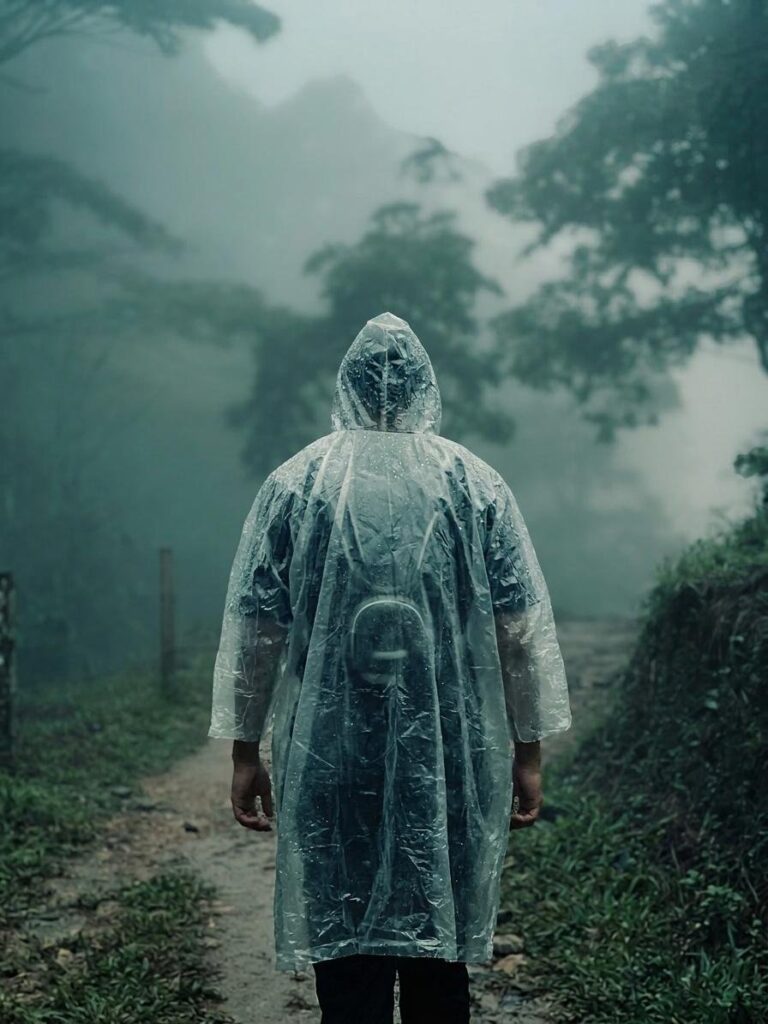
$1 Rain Poncho
It weighs almost nothing, folds to the size of your palm, and keeps you and your pack dry in a surprise shower.
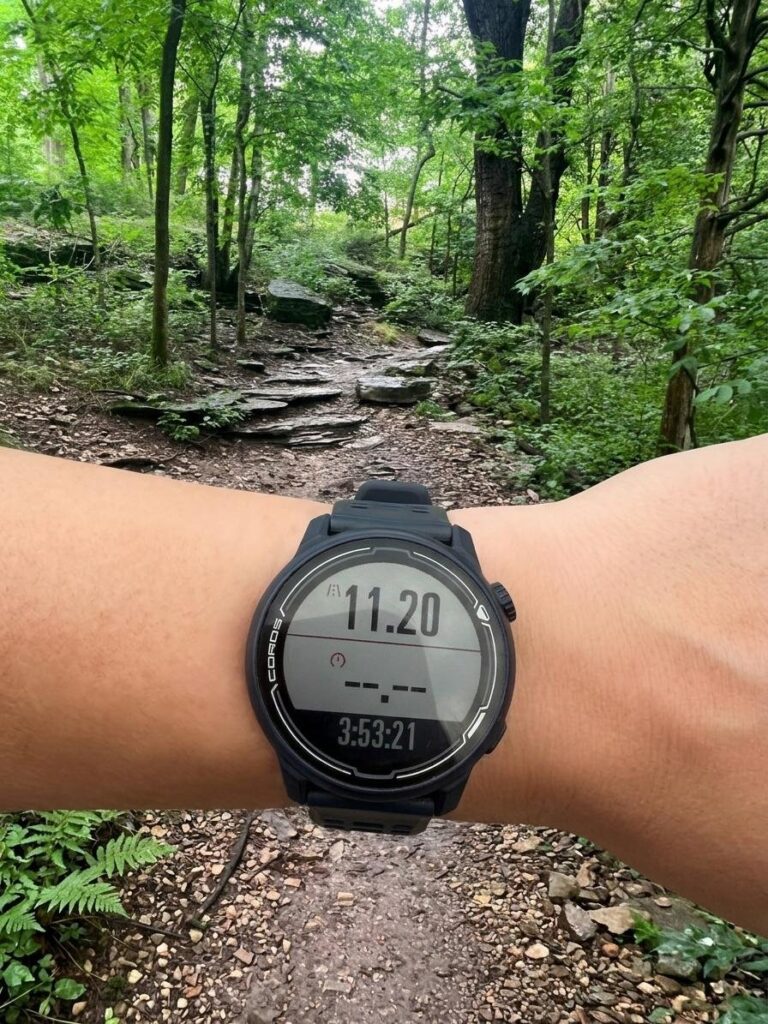
GPS Watch
A watch from Coros, Garmin, Apple, or a similar brand tracks your time, distance, and elevation without pulling out your phone.
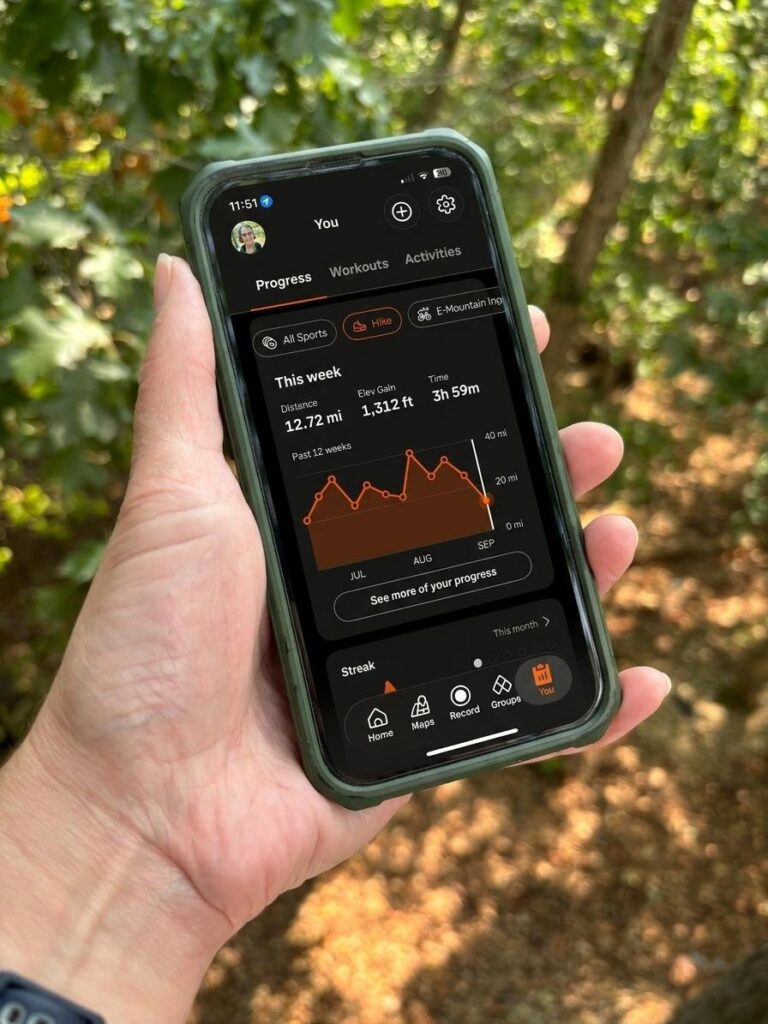
Strava records your hike, so you can see your route, distance, and progress over time. The basic version is free.
Apps Worth Having
Two free apps can turn an ordinary hike into a small nature lesson. Both work on iPhone and Android.

Point your camera at a plant, mushroom, or bug, and the app suggests what it is.

Made by the Cornell Lab of Ornithology, it listens to birdsong and tells you which birds are singing around you.
Hot Weather Extras
Our summers are hot and humid. These small additions make them much more pleasant.

Spider Stick
Any light stick held out in front of you clears the webs strung across the trail, which you will meet often if you are first out in the morning.
Sunscreen
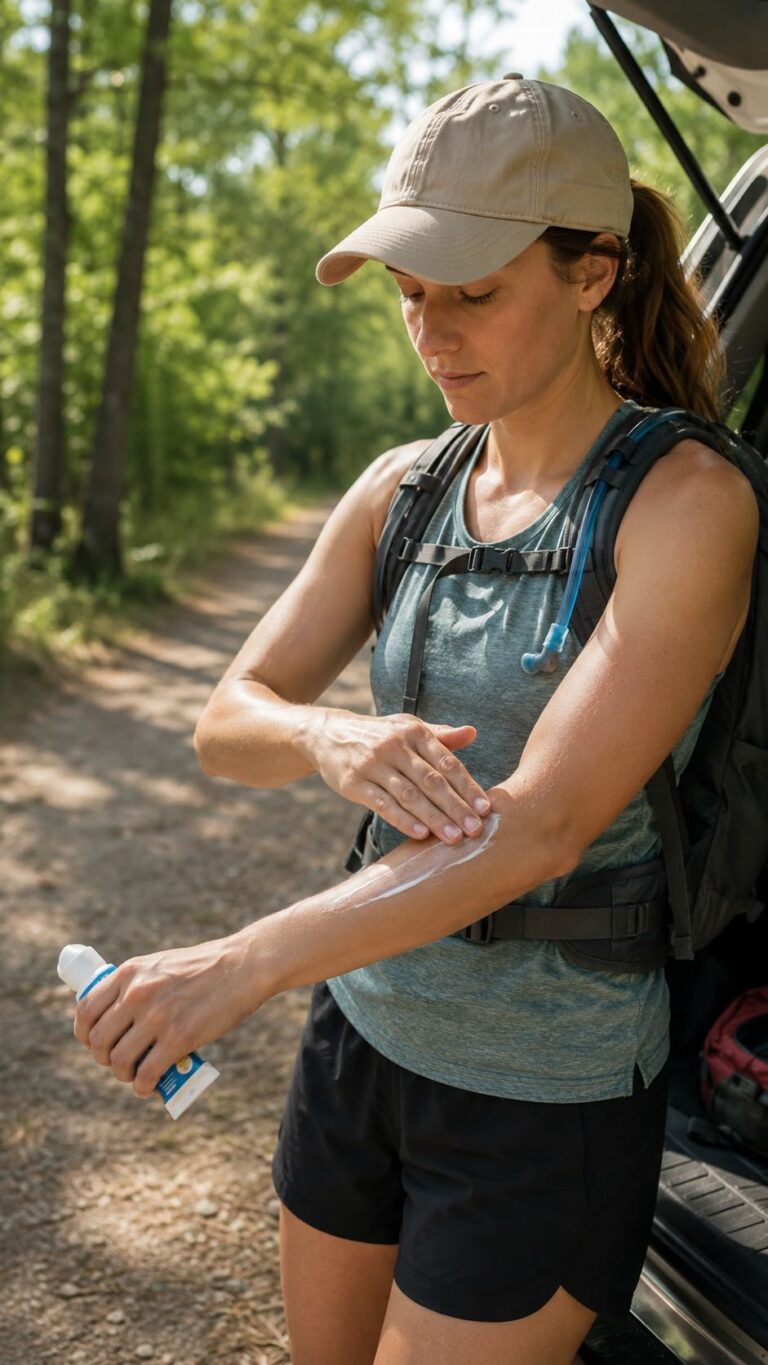
Much of the trail is shaded, but open stretches, trailheads, and paved sections are not. Put it on at the car before you start.

Headband or Sweatband
It keeps sweat out of your eyes and off your glasses.
Handkerchief
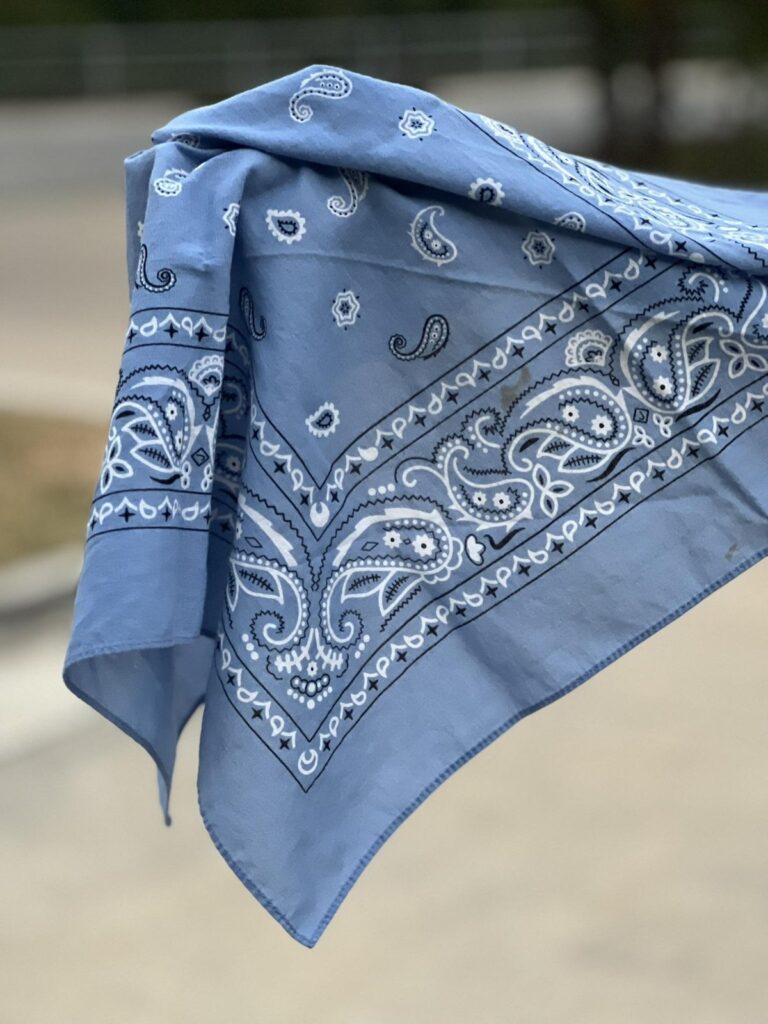
Wipe your face, soak it in water and drape it on your neck, or tie it on as sun cover.
Towels for the Car
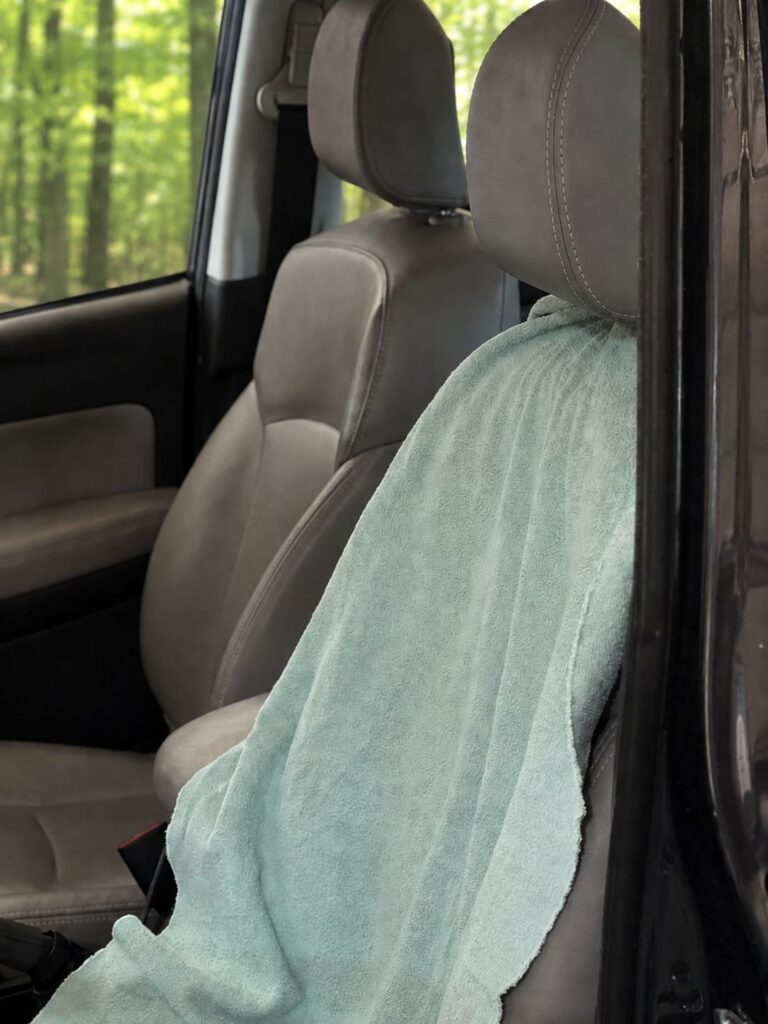
Lay one over your seat and one over your seatbelt. They protect the seat from a sweaty, muddy hiker and protect you from a buckle that has been sitting in the sun.
Cold Weather Extras
Winter is a great time to hike here, with fewer bugs and long views through bare trees. Add a few of these for the cold, and see our Winter Hiking guide for layering, icy trails, and cold-weather safety.

Ear Warmers or a Beanie
They keep your ears and head warm, and they stuff into a pocket once you heat up.

Neck Gaiter
It covers your neck and pulls up over your nose and mouth when the wind picks up.

Packable Puffer Vest or Jacket
It adds real warmth for very little weight and squeezes down small when you warm up.

Arm Sleeves
They slide off easily once you heat up, without stopping to take off a whole layer.

Gloves
Gloves protect your hands, and on the coldest days you can layer two pairs.

Hand Warmers
Small packets or rechargeable warmers heat up in your pocket or glove.

Traction Devices
Ice cleats or other traction devices stretch over your shoes and grip on icy trails.
You will get warmer once you start moving, so have somewhere to put layers as you take them off.
Leave Your Rings at Home
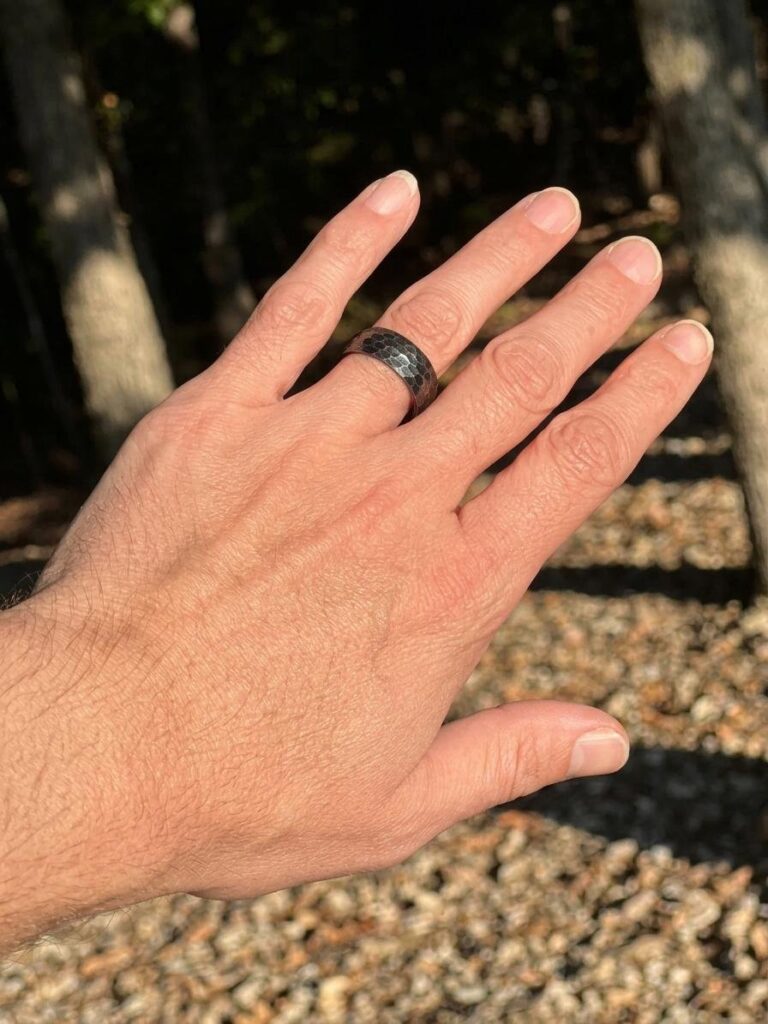
Some “gear” is better left behind. Consider taking your rings off before you hike, or wear a silicone band that can expand.
Hands often swell on longer hikes, especially in the heat, as your arms swing at your sides for hours. A ring that fits fine at the trailhead can become tight and hard to remove. Leave it safe at home or in the car.


